
Operations
The simplicity and consistency playbook
How to deliver zero-error service, every single day.
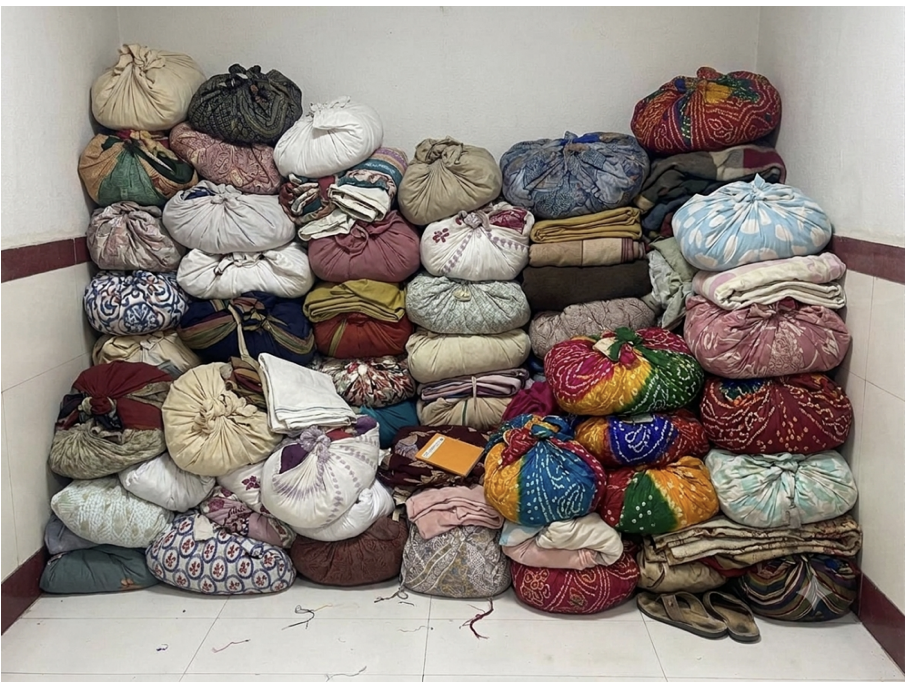
A quiet masterclass in reliability
Every morning across Mumbai, an istriwala collects garments from familiar households and returns each item pressed, matched, and on time. There are rarely barcodes, apps, or formal systems—yet the service depends on an extraordinary level of accuracy and trust.
It is tempting to view this as a charming local tradition. In practice, it reveals the fundamentals that many formal businesses overlook: a simple system, disciplined execution, a defined service area, and repeated proof that the promise will be kept.
Memory, markings, and a repeatable code
The operating model relies on a combination of small identifiers, customer familiarity, and a disciplined routine. Over time, the process becomes a dependable human system: each handover has a place, each customer is known, and every exception is noticed.
Businesses often look first for expensive tools when their real challenge is an unclear handoff, an inconsistent routine, or a process that no one owns from end to end.
Precision comes from disciplined repetition—not complexity for its own sake.
Why consistency becomes a competitive edge
Reliable service creates trust. Trust reduces switching. And a simple, low-overhead operating model can protect margins while making the customer experience more dependable. This is as true for a small service business as it is for a growing manufacturer.
The lesson is not to avoid technology. It is to make sure technology strengthens a clear, repeatable system rather than masking a process that is still unclear.
Key learnings
- Keep the system simple. A basic process followed without fail outperforms a sophisticated process followed inconsistently.
- Know your operating patch. Depth of customer and process understanding prevents errors before they occur.
- Earn trust through repetition. Reliable daily delivery is a business asset that compounds.
- Protect low-overhead discipline. Lean operations can stay profitable even when margins are tight.
- Make consistency the product. The promise that today will be as reliable as yesterday is a powerful differentiator.